There's a specific kind of exhaustion that comes from running a business and then, at 9 PM on a Tuesday, realizing you haven't posted anything all week. You open Instagram. Stare at the blank caption box. Close the app. Tell yourself you'll do it tomorrow.
We've watched this pattern repeat across industries. The baker who built a thriving wedding cake business but can't figure out why her Reels get 47 views. The consultant who knows his work inside out but freezes when it's time to write a caption. The product founder who posts sporadically, then wonders why the algorithm seems to hate her.
The problem isn't the content itself. It's that content has become another full-time job stacked on top of the one you're already doing.
What does good content strategy actually look like?
Good content strategy is a system that runs whether you're thinking about it or not. It starts with understanding who you're trying to reach, what they need to hear, and how your business solves a specific problem they have right now. Then it builds a repeatable process around that clarity: content pillars that reflect your expertise, a posting cadence that matches platform behavior, captions that sound like you (not like a bot), and a calendar that accounts for your real business cycles.
Most businesses skip straight to tactics. They see a trending audio and think that's the answer. They post three times in one day, then go silent for two weeks. They write captions that explain what they do but never why it matters.
Strategy is what happens before the post goes live. It's the decision to focus on three core messages instead of trying to say everything. It's knowing that your audience engages more on Thursdays, so that's when the educational content goes out. It's writing ten captions in one sitting so you're not scrambling every single day.
Why does content feel like such a burden?
Because you're doing it alone, and you're doing it without a plan. Content becomes a burden when it's reactive instead of intentional. When you're constantly asking yourself what to post instead of pulling from a bank of ideas you've already mapped out. When every caption is written from scratch in the moment, with no clear throughline connecting this week's posts to last month's or next quarter's.
It also feels like a burden because platforms keep changing the rules. What worked six months ago doesn't work now. Reels that performed well suddenly tank. Carousels that used to get saved 200 times now get 15. You're not imagining it: the platforms are in constant flux, and keeping up with that while running your actual business is unrealistic.
The other reason? You're probably trying to be someone you're not. You see polished feeds and assume that's the standard. You watch creators who post daily and think you need to match that pace. But volume without strategy is just noise. A business that posts twice a week with intention will outperform one that posts every day with no clear message.
How does outsourcing content actually work?
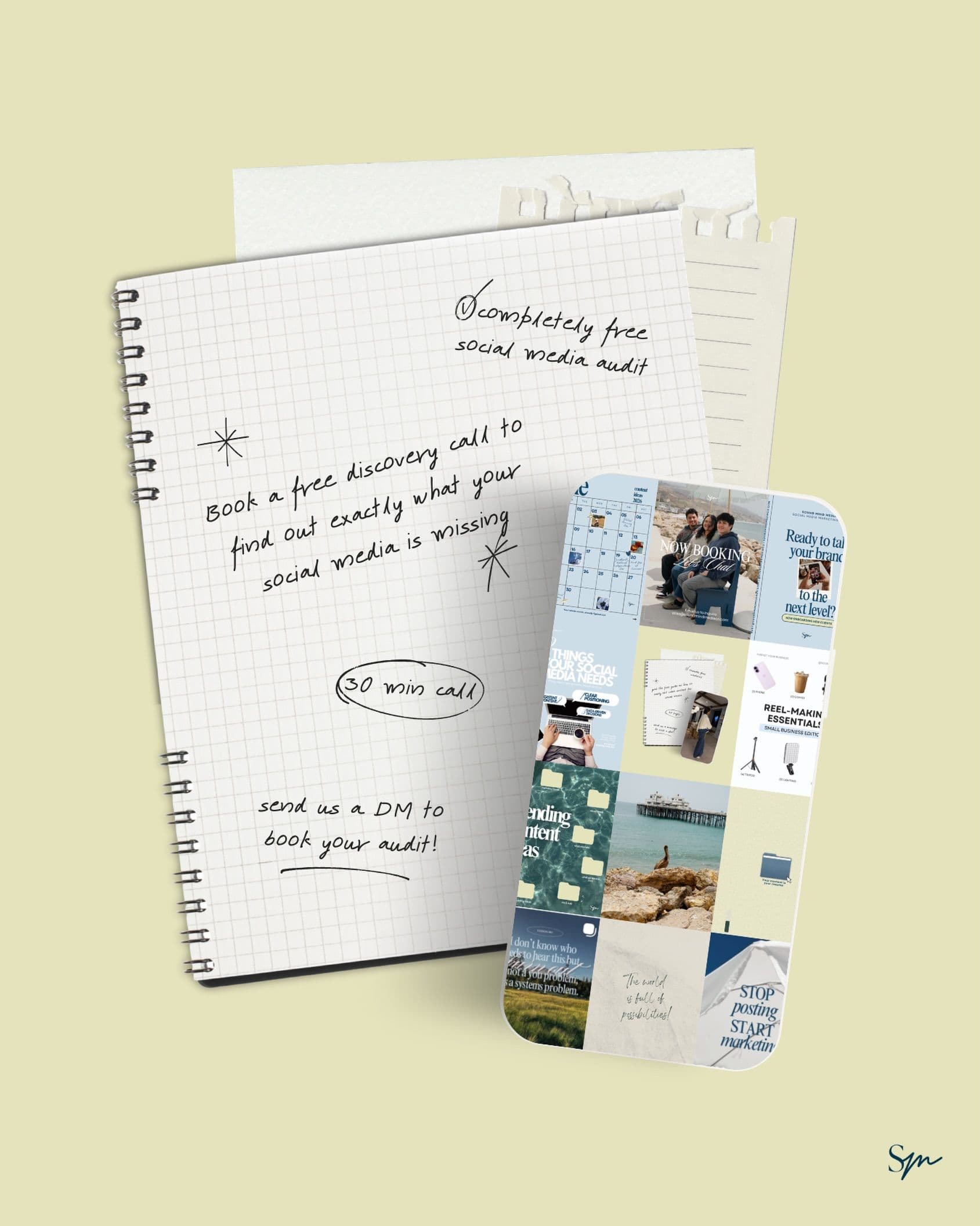
When you work with a team like Sound Mind Media Co., the goal isn't to take over your voice or turn your feed into something generic. It's to build a system that reflects your expertise and runs in the background while you focus on client work, product development, or whatever your business actually requires from you day to day.
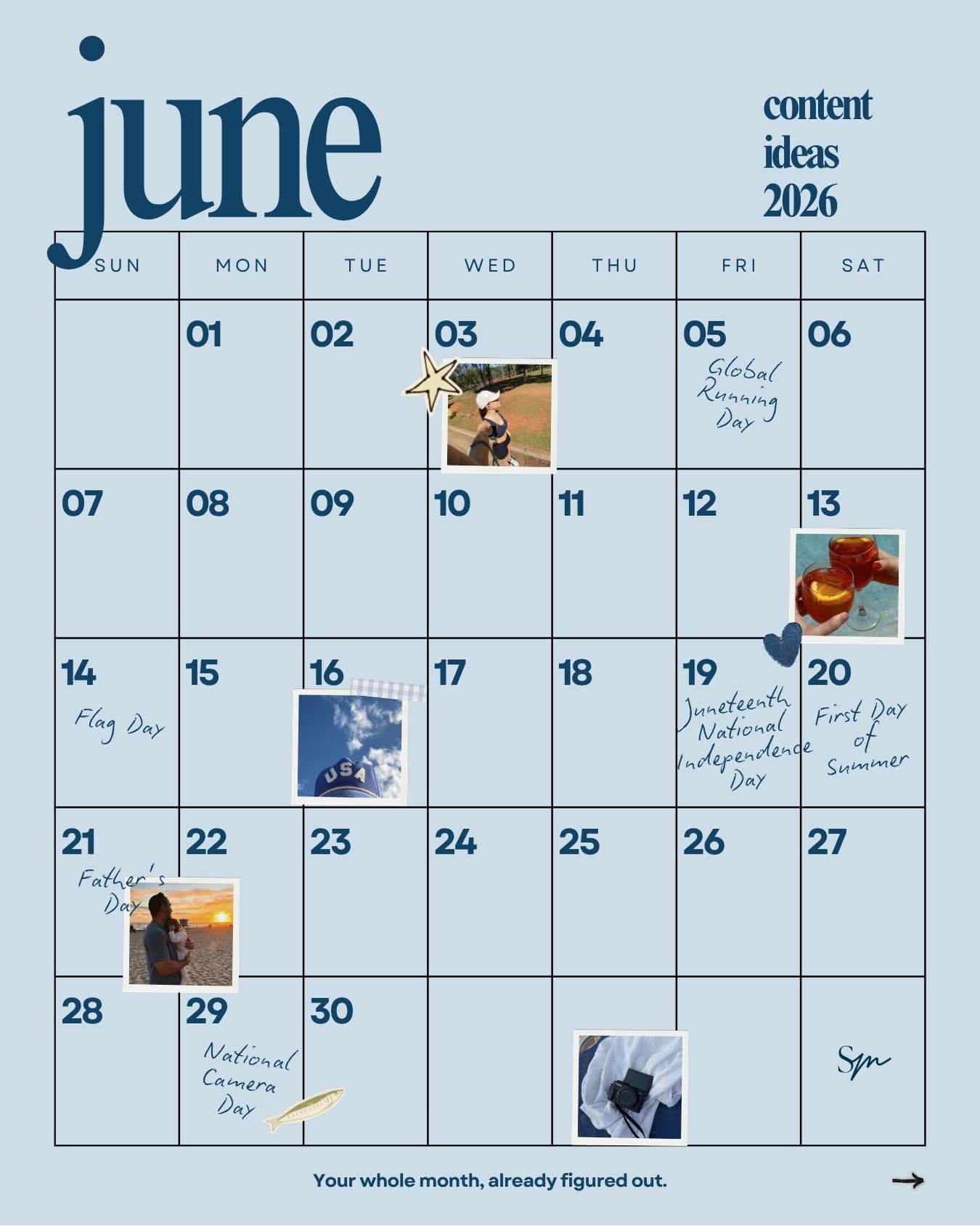
The process starts with a strategy session. We map out your audience, your offers, your differentiators, and the stories that make your business distinct. Then we build content pillars (usually three to five recurring themes) that give structure to everything we create. From there, it's calendars, caption drafts, asset requests, posting schedules, and performance tracking.
You stay involved in the parts that matter: approving content, providing input on messaging, sharing what's happening in your business that week. But you're not writing captions at midnight. You're not second-guessing whether a post is good enough. You're not refreshing analytics wondering why nothing's moving.
The difference is structure. A Los Angeles creative agency that specializes in social media management brings pattern recognition: we've seen what works across industries, across platforms, across audience types. We know how to adapt when Instagram changes its feed algorithm or when TikTok prioritizes a new content format. We're already testing, already iterating, already three steps ahead.
What changes when content isn't on your plate anymore?
Time comes back. Mental space comes back. You stop feeling guilty about the post you didn't write or the Reel you didn't film. Your feed starts showing up consistently, and that consistency builds trust with your audience in ways sporadic posting never will.
You also start to see what content actually does when it's strategic. It brings in inquiries. It positions you as the expert in your field. It turns passive followers into active buyers. None of that happens when content is an afterthought. It happens when content is built with intention, posted with consistency, and tied directly to business outcomes.
The businesses we work with aren't just getting posts scheduled. They're getting back the hours they were losing to content anxiety. They're focusing on the work that grows revenue while we handle the work that builds visibility. That's the trade: you bring the vision, we bring the system.
If you're still treating content like another task to check off, it's going to keep feeling like a burden. But if you treat it like the strategic asset it actually is (and hand it to people who know how to run it), it starts working for you instead of against you.
 Social
 Social
 Social